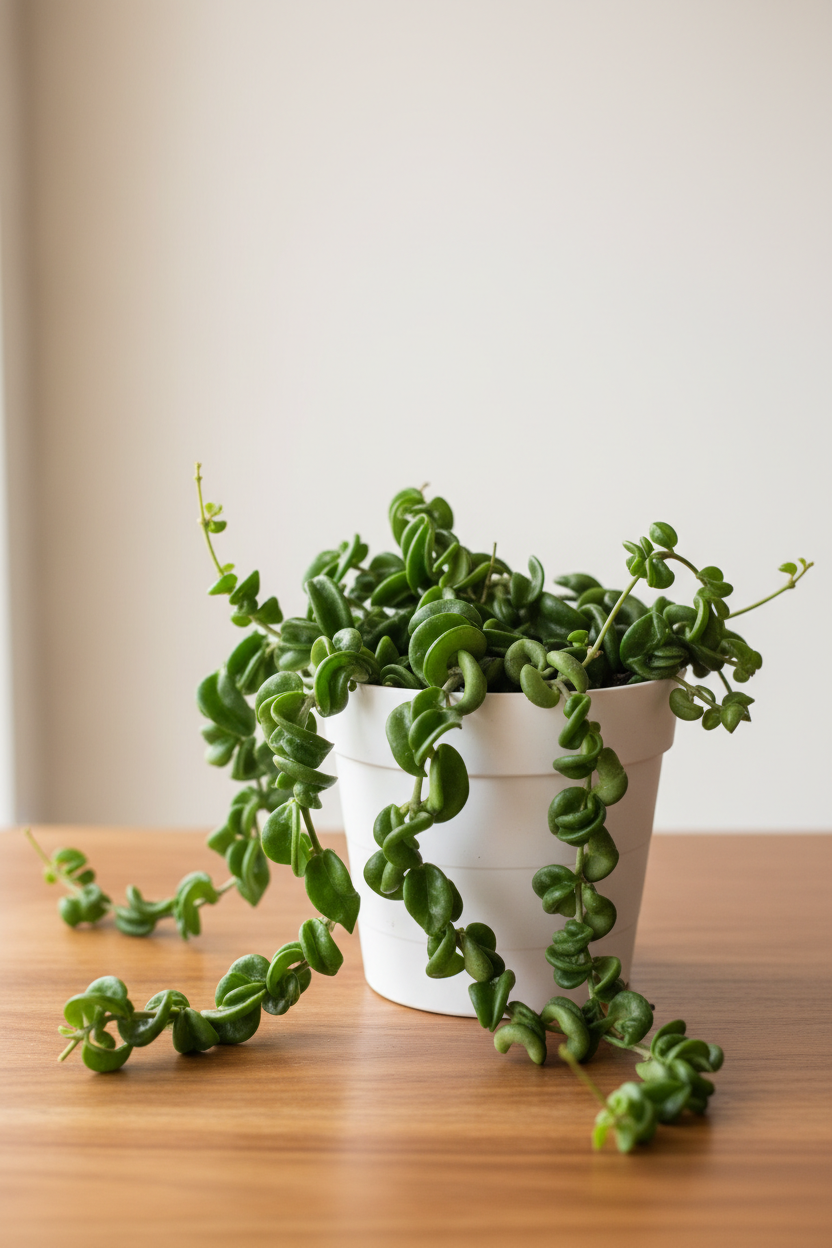
Hoya Rope Plant
Hoya Rope Plant
This purchase enters you in the Season 001 giveaway.
Every order earns entries automatically — the number above is what this one adds. Entries stack all season and stay in every weekly drawing, even after you win.
Want more? Play MGU free every day at digitaltowns.app/mgu. No purchase necessary.
Use the same email here and on MGU so your entries combine.
Check my entries →Ships in 5 days
Couldn't load pickup availability
Weird, wonderful, and utterly addictive — the Hoya Rope Plant is one of the most uniquely textured plants you can own, and once you have one, you’ll understand why collectors obsess over it. Also known as the Hindu Rope, its thick, curled, and densely packed waxy leaves twist together on rope-like cascading vines that spill dramatically from hanging baskets or shelves. It’s a slow grower, but patience is richly rewarded: mature plants produce clusters of exquisitely fragrant, star-shaped waxy flowers that are nothing short of magical. A true conversation piece in any plant collection.
Discover more unique trailing plants in our houseplant collection or browse our easy-care picks.
🌿 Why Hoya Rope Plant is Unforgettable
- Uniquely Twisted Rope-Like Vines — Densely curled, waxy leaves packed together into rope-like cascading strands unlike anything else.
- Fragrant Waxy Blooms — Produces clusters of sweetly scented star-shaped flowers when mature and happy.
- Extremely Drought Tolerant — Thick, succulent-like leaves store water; perfect for forgetful waterers.
- Pet-Friendly — Non-toxic to cats and dogs. 🐾
- Stunning in Hanging Baskets — The trailing rope-like vines are spectacular when allowed to cascade freely.
🌱 Plant Profile
- Botanical Name: Hoya carnosa 'Compacta'
- Common Names: Hindu Rope Plant, Rope Hoya, Krinkle Kurl
- Origin: East Asia, Australia
- Mature Size: Vines trail 2–4 feet
- Foliage: Densely curled, twisted waxy leaves on rope-like vines
☀️ Care at a Glance
- Light: Bright indirect light. More light encourages blooming and tighter leaf curl.
- Water: Allow soil to dry completely between waterings. Very drought tolerant.
- Humidity: Adapts to average household humidity.
- Temperature: 60–85°F. Protect from frost and cold drafts.
- Fertilizer: Feed monthly during spring and summer; high-phosphorus fertilizer encourages blooming.